Benzodiazepine Addiction and Treatment
Read About Benzodiazepine Rehab
List Of All Benzo Rehabs Near Me
Benzodiazepine Substance Use Disorder and Treatment
Benzodiazepines (benzos) are a family of prescription drugs commonly used to treat anxiety and certain types of sleep disorder. As helpful as they’ve been in the clinical treatment landscape, they have also proven to be highly addictive and susceptible to abuse and diversion. Benzodiazepine overdose is one of the most urgent and immediate substance abuse issues facing the country. Deaths from these drugs have increased consistently since 2002 and, according to data from the National Institute on Drug Abuse (NIDA), reached 10,684 in 2016. The agency also reports that 30 percent of overdoses involving opioids also involve benzodiazepines. Benzodiazepines are central nervous system depressants that are particularly dangerous when mixed with alcohol. Misuse and abuse can lead to serious and fatal complications.
What Are the Different Types of Benzodiazepines?
Benzodiazepines come in a variety of generic and brand-name forms and are prescribed to treat different levels of anxiety disorder. They can also be used for general anesthesia, muscle relaxation, alcohol withdrawal, drug-associated agitation, nausea, and vomiting, depression, and panic attacks.
Some of the more commonly known benzodiazepines include the following:
- Diazepam (Valium)
- Oxazepam (Serax)
- Lorazepam (Ativan)
- Alprazolam (Xanax)
- Clonazepam (Klonopin)
- Clorazepate (Tranxene)
- Midazolam (Versed)
- Triazolam (Halcion)
- Estazolam (Prosom)
- Temazepam (Restoril)
- Chlordiazepoxide (Librium)
- Flurazepam (Dalmane)
Benzodiazepines differ primarily in the time they take to activate in the bloodstream and in their potency. While some benzos can be used to treat more than one condition, many are used to treat one specific type of mental health issue or other condition.
Physical and Psychological Dangers of Benzodiazepine Addiction
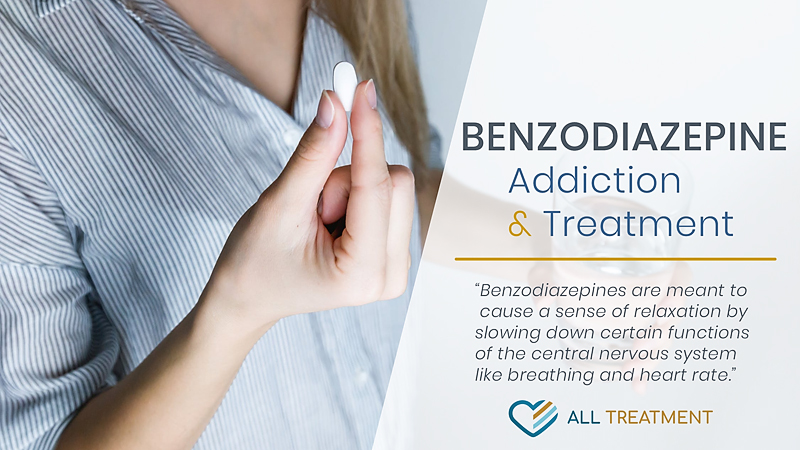
Benzodiazepines are meant to cause sensory relaxation by slowing down certain functions of the central nervous system, such as breathing and heart rate. When an excess of benzos is introduced into the bloodstream, dangerous and potentially fatal effects can result. Benzodiazepine overdose occurs when the heart or breathing stops from a larger-than-advisable dose of the drug.
Short-Term Effects
- Slurred speech
- Labored breathing
- Decreased motor skills
- Inability to concentrate
- Fatigue and tiredness
- Joint and muscle pain
Long-Term Effects
- Headaches
- Vertigo
- Depression
- Blurred vision
- Memory issues
- Stomach Illness
Serious Health Risks
- Cessation of breathing
- Stopped heart
- Seizures and tremors
- Coma
- Psychosis
- Detachment from reality
These symptoms get more frequent and more severe the longer benzo abuse persists. Many patients start taking benzos as a means to manage a legitimate medical condition but wind up deviating from their doctor-prescribed regimen and developing tolerance and eventual addiction. Others engage in recreational use of these drugs out of sheer curiosity. These users often purchase benzos on the street or steal them from loved ones who have prescribed supplies. One of the prime indicators of benzo addiction is the development of physical and psychological withdrawal symptoms, which can range from mild to severe.
Benzodiazepine Withdrawal Symptoms
Prolonged and untreated abuse of benzodiazepines yields a variety of physical and psychological withdrawal symptoms due to the profound changes this behavior creates in the brain’s chemistry. While each user’s benzodiazepine withdrawal period will vary based on how long and often they’ve been using the drugs.
Symptoms may include the following:
- Anxiety
- Sleep disorder
- Muscle pain
- Nausea
- Fatigue
- Blurred vision
- Sweating
- Vivid nightmares
- Depression
- Impaired muscle coordination
- Tremors and shaking
- Hallucination
Benzo withdrawal can be life-threatening and should be managed by an experienced and qualified team of medical professionals. The benzo withdrawal period can occur in as little as a few hours after the last cycle of use and can last for multiple weeks.
Recognizing the Signs of Benzodiazepine Addiction
The legally regulated nature of benzodiazepines can make it hard for loved ones of at-risk users to spot addiction. Oftentimes the lines get blurred between legitimate use and abuse, and users will protest when asked if they have developed a problem.
As time goes on, however, it becomes harder to ignore the physical and behavioral signs of this disease, which can include:
- Slurred speech
- Inability to concentrate
- Chronic fatigue
- Anxiety and irritability
- Lying about one’s use
- Secretive behavior
- Neglecting school or work.
- Legal issues related to using
- Constantly watching the clock
- Anger and denial
- Doctor-shopping
- Withdrawal symptoms
If you notice these symptoms in yourself or someone you care about, consult the prescribing physician or seek immediate treatment to avoid any further escalation.
Treating Benzodiazepine Addiction
The benzo addiction treatment process requires targeted and expert medical care to address the physical and psychological aspects of the disease. Treatment should begin with comprehensive, medically supervised detox to ensure stabilization and arrest of any serious medical conditions. Those addicted to benzo who endeavor to detox on their own run a heightened risk of relapse. Professional detox offers compassionate, sterile, and supportive management of withdrawal symptoms and medical experts to ensure that patients are protected from an emergency. Detox typically lasts around three to five days; however, minor withdrawal symptoms can linger for some time after patients are finished.
Behavioral Rehab for Benzo Abuse
Once detox is complete, comprehensive behavioral rehab should be deployed to ensure that patients are getting help for the psychological fallout of their addiction, addressing the root causes of their benzo use and developing behavioral techniques for relapse prevention. Rehab should include group therapy, individualized counseling, and supplemental therapies such as cognitive behavioral therapy and dialectical behavioral therapy. Rehab can be administered in an inpatient or outpatient setting, depending on patients’ care needs and lifestyles.
Once patients complete their treatment program, they should leave with a targeted and realistic aftercare program that builds off the progress they made in treatment and links them to local addiction-trained therapists and recovery meetings. These plans often make the difference between ongoing success and relapse.
Don’t Surrender Your Life to Benzo Addiction.
If you or someone you care about is struggling with benzo addiction, it may not seem like there’s any way out. Perhaps you’ve tried multiple times to quit cold turkey with little to no success; perhaps you’re scared of the withdrawal process. Whatever your impediment to recovery may be, it’s critical that you get quality treatment to break the cycle of benzodiazepine abuse and reclaim your life from this disease.
Resources: